Calibration Methods for Optimal Turntable Performance
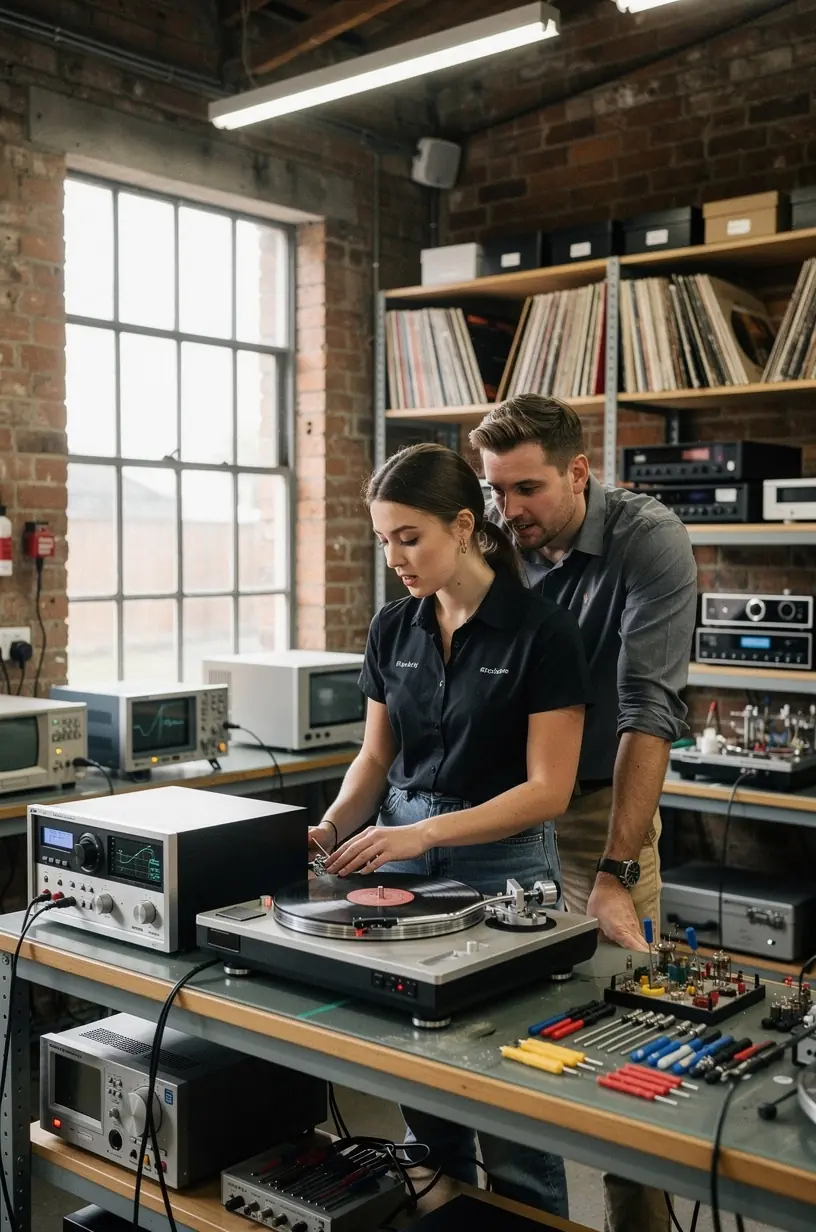
Ensuring your vinyl turntable performs at its best is essential for any audiophile or casual listener. Calibration is a critical component in achieving optimal sound quality. In this article, we will explore the methods and practices that can help enhance your turntable's performance, based on industry standards and expert recommendations.
Understanding Turntable Calibration
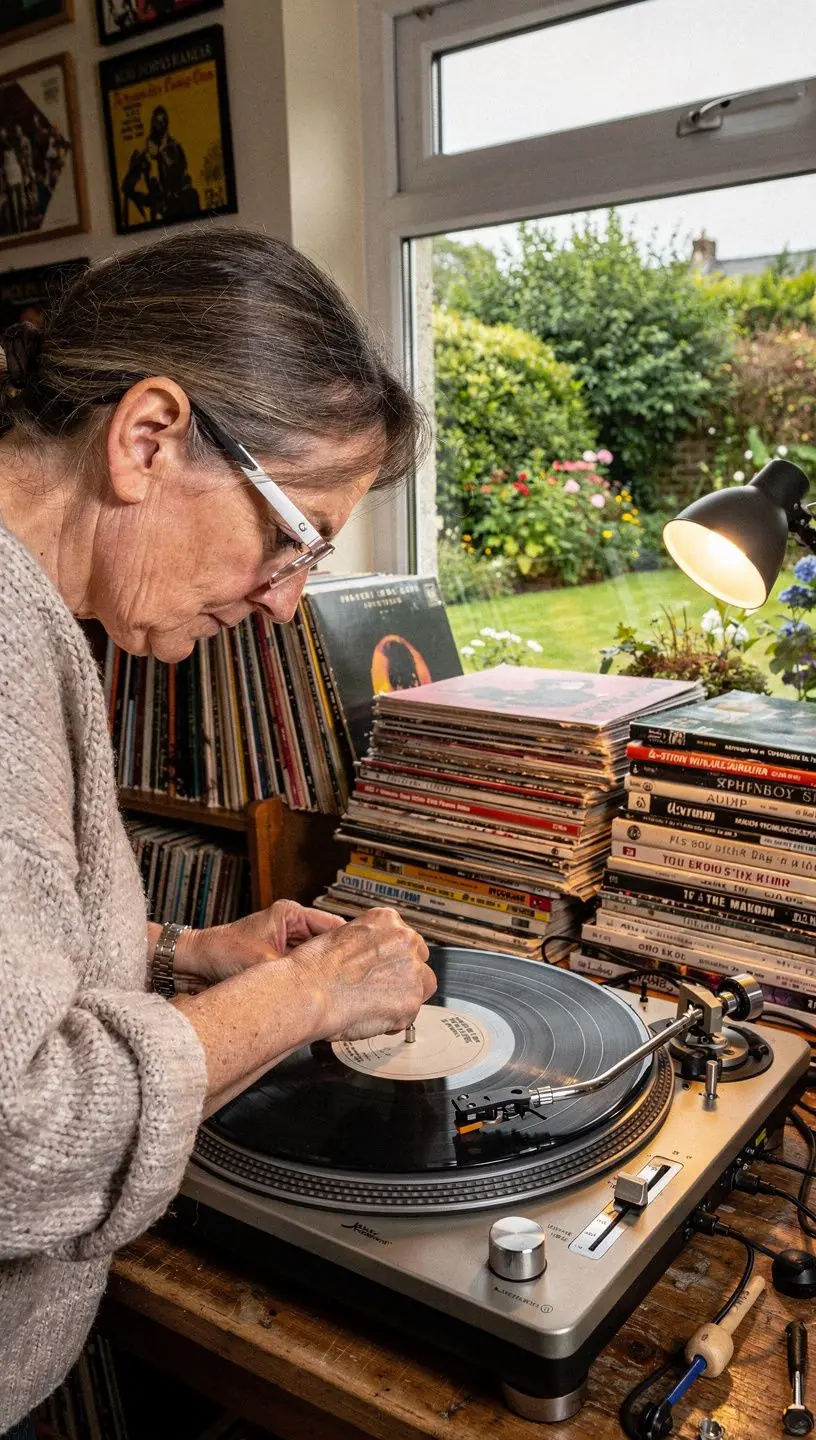
Calibration involves adjusting the components of a turntable to ensure that it works effectively and produces high-quality sound. This process is often overlooked, yet research indicates that proper calibration can significantly improve audio fidelity and reduce unwanted noise. Experts recommend calibrating your turntable regularly, particularly if you notice changes in sound quality.
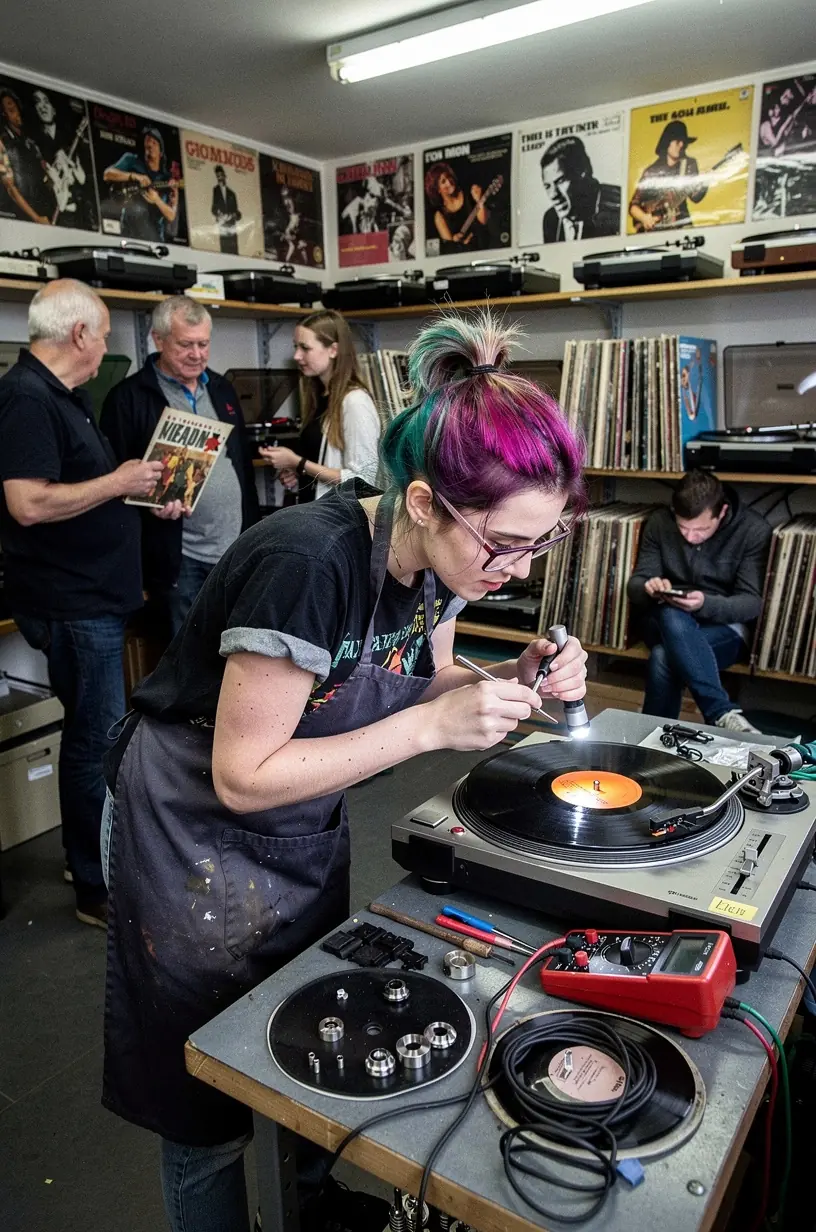
"Proper calibration can enhance the listening experience by ensuring the turntable is optimized for performance." - Audio Engineering Society
Key Calibration Methods
There are several methods to calibrate your turntable effectively. Each method typically requires specific tools and a careful approach:
- Tracking Force Adjustment: This involves setting the weight of the tonearm to the manufacturer's recommended tracking force, which is usually measured in grams. Many users report that proper tracking force reduces distortion and improves overall sound quality.
- Anti-skate Adjustment: This technique counteracts the inward force that pulls the tonearm towards the center of the record. Adjusting the anti-skate ensures the stylus remains accurately positioned in the groove, which can help prevent excessive wear on both the record and stylus.
- VTA (Vertical Tracking Angle) Adjustment: VTA refers to the angle at which the stylus makes contact with the record. Adjusting this angle allows for better tracking of the grooves, which can improve sound reproduction. Achieving the correct VTA often involves trial and error, as it can vary based on cartridge and tonearm design.
- Leveling the Turntable: A level turntable is crucial for optimal performance. Use a bubble level tool to ensure the base of the turntable is perfectly horizontal. An unlevel turntable can lead to various issues, including uneven wear on the records and stylus.
The Importance of Regular Maintenance
Calibrating your turntable is not a one-time task. Regular maintenance can help sustain performance over time. Here are a few practices to consider:
- Dust and clean the turntable and records regularly to prevent buildup that can affect sound quality.
- Check your cartridge and stylus periodically for wear and replace them if necessary to maintain audio fidelity.
- Store records vertically in a controlled environment to prevent warping, which can impact playback quality.
Conclusion
Calibrating your turntable is an effective approach to achieving optimal performance and enhancing your listening experience. While the process may require time and some technical understanding, the results—clearer sound and reduced distortion—are often worth the effort. By following the recommended practices and maintaining your equipment, you can ensure that your turntable continues to deliver quality audio for years to come. Remember, calibration is not just about the instruments; it’s about the joy of experiencing your favorite music as it was intended to be heard.
Discover More