
Troubleshooting Turntable Speed and Pitch Problems
Vinyl enthusiasts often encounter issues with turntable speed and pitch, which can detract from the listening experience. Understanding the underlying causes and how to address them can enhance your enjoyment of analog audio equipment.
Understanding the Basics
Turntables are designed to rotate at specific speeds, typically 33 1/3 or 45 RPM (revolutions per minute). Speed and pitch problems can arise from several factors, including mechanical wear, incorrect setup, or environmental influences. According to industry experts, maintaining a consistent speed is crucial for optimal playback quality, as even slight variations can impact the sound.
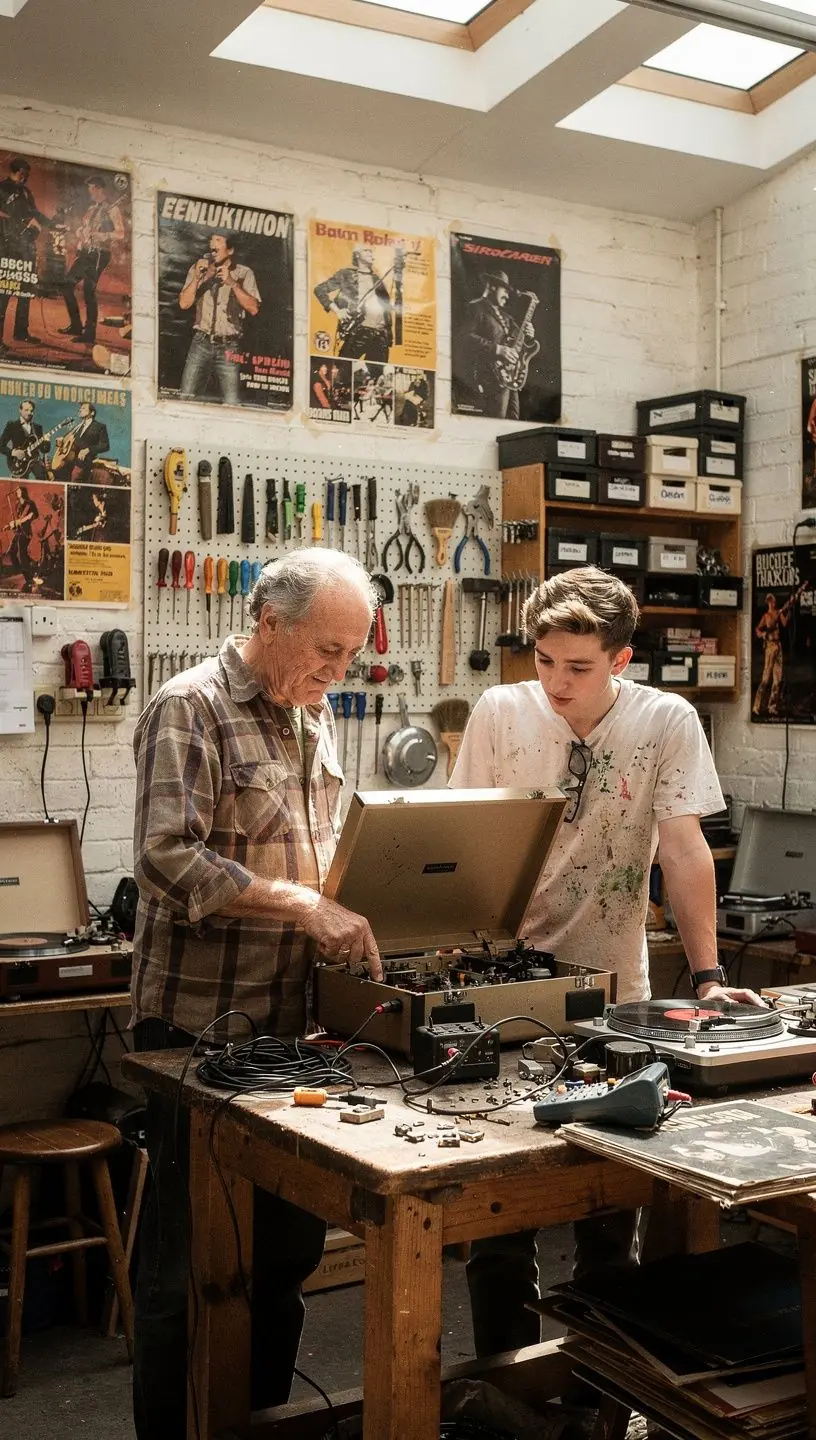
"The principle of turntable speed accuracy is fundamental to achieving the intended audio fidelity. Even minor deviations can lead to noticeable pitch shifts."
Common Causes of Speed and Pitch Issues
- Worn or Damaged Drive Belts: Over time, belts can stretch or wear out, leading to inconsistent speeds. Regular inspection and replacement, as recommended by many audio technicians, can prevent this issue.
- Incorrect Calibration: The turntable's speed settings may need adjustment. Many users report improved performance after recalibrating their devices, which typically requires a speed test using a strobe disc.
- Environmental Factors: External conditions, such as temperature and humidity, can affect turntable performance. Keeping your equipment in a stable environment can help mitigate these effects.
Troubleshooting Steps
To effectively diagnose and resolve speed and pitch issues, consider following these steps:
- Inspect the Drive Belt: Check for wear and ensure it is properly seated. If it appears worn, replacing the belt is usually necessary and can often be done in under an hour.
- Use a Strobe Disc for Calibration: Place a strobe disc on the turntable platter to verify the speed. Adjust the settings if the markings do not align, which should take about 15-30 minutes.
- Evaluate Environmental Conditions: Ensure that your turntable is placed on a stable, level surface away from direct sunlight or moisture. This adjustment often requires minimal effort but can greatly improve performance.
When to Seek Professional Help
While many speed and pitch issues can be resolved with DIY methods, some problems may require professional intervention. If you find that after following the troubleshooting steps your turntable still exhibits speed inconsistencies, contacting a specialized repair lab may be the best course of action. Experts often recommend regular maintenance to avoid such complications, which can extend the life of your equipment.
Conclusion
Addressing speed and pitch problems in your turntable involves understanding the common issues and applying systematic troubleshooting. Regular maintenance and proper setup can help mitigate these problems and enhance your vinyl listening experience. Whether you choose to tackle these issues yourself or seek professional assistance, being proactive is key to enjoying the rich sound of analog audio.
Discover More